The role of nuclear power is growing globally – a new report presents striking growth figures
The recently published World Nuclear Outlook report paints a very optimistic picture of the future of nuclear power. The country-by-country review of nuclear projects and plans concludes that global nuclear capacity could increase to approximately 3.6 times its current level by 2050.
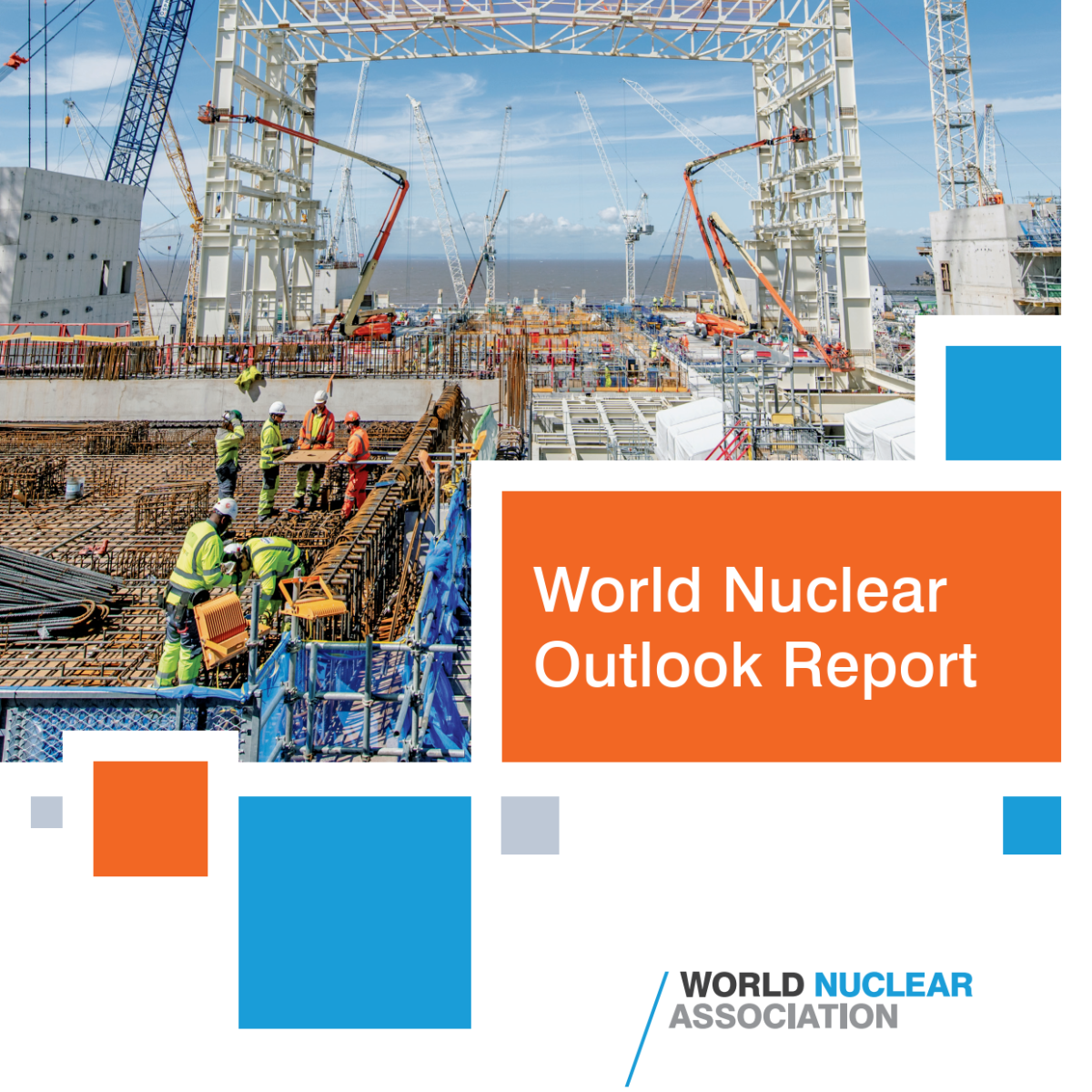
Nuclear power as a form of energy production is gaining strong momentum globally, and its position has strengthened in recent years. In 2024, nuclear power generated a record-breaking approximately 2,667 terawatt-hours of electricity worldwide. However, according to the latest WNO report, this is only the beginning. Dozens of countries have committed to significantly expanding their nuclear capacity, and financial institutions as well as major industrial players have strongly supported nuclear power as part of the energy transition.
The estimate presented in the new report is even more ambitious than the earlier target of tripling global nuclear capacity from the current level of around 400 gigawatts, which was set at the COP28 in Dubai in 2023.
The report has been prepared by the World Nuclear Association, and it brings together national targets, plans, and projections for nuclear development.
Megatrends driving growth
Several megatrends are currently fueling the growth potential of nuclear power. Perhaps the most significant is the increasing demand for electricity, partly driven by population growth. According to the report, the global population is expected to reach approximately 9.8 billion by 2050.
Electricity demand is also being driven by electrification and digitalization, with electric mobility and artificial intelligence serving as prime examples. Electricity consumption by data centers is expected to grow rapidly in the coming years. Major energy consumers—particularly U.S. technology giants such as Google, Microsoft, and Amazon—have already signed agreements to utilize nuclear-generated electricity to meet their increasing energy needs.
Climate and energy security both favor nuclear power
Climate considerations also weigh heavily in favor of nuclear power. Globally, fossil fuels such as oil, gas, and coal still account for well over 50% of electricity generation. In this respect, Finland can be seen as a model country: in 2025, only about four percent of electricity production came from fossil fuels.
At the same time, geopolitical tensions—such as the ongoing conflict involving Iran—have highlighted the uncertainties associated with fossil fuel dependency. Significant fluctuations in oil and gas prices have had dramatic impacts on energy costs in many countries. In contrast, nuclear power is less exposed to such risks, as fuel costs represent only a marginal share of total production costs.
In addition to its environmental benefits, nuclear power offers weather independence: it produces electricity reliably around the clock, regardless of weather conditions. This predictability and security of supply are essential for applications such as data centers, not to mention broader industrial electrification.
Both established and emerging nuclear countries
The country-level analysis in the report shows that, in terms of volume, the construction of new nuclear power plants will continue to be driven by major nuclear nations such as China, the United States, and France. China has already been progressing at a strong pace, while in the United States, interest in nuclear power has experienced a true renaissance in recent years. The U.S. Department of Energy recently announced its intention to quadruple the country’s current capacity of around 100 gigawatts by 2050. If realized, the United States alone would produce as much nuclear power in 25 years as the entire world does today.
At the same time, several European countries have expressed interest in expanding nuclear power. A notable example is Sweden, which had previously decided to phase out nuclear energy in the 1980s.
The report also highlights entirely new countries entering the nuclear sector, including Poland, Saudi Arabia, Kazakhstan, Bangladesh, Indonesia, the Philippines, Vietnam, and several African nations such as Ghana, Nigeria, and Egypt.
Lifetime extensions gaining interest globally
The importance of existing nuclear power plants is also emphasized. According to the report, extending the operational lifetime of existing units to 60–80 years is one of the most cost-effective ways to increase low-emission electricity production. In practice, nuclear power plants have proven to be more durable than originally expected. For example, in the United States, nearly all units initially designed for 40 years of operation have either received or are applying for license extensions.
Olkiluoto Nuclear Power Plant serves as an excellent example. Currently, the lifetime extension of OL1 and OL2 units is being considered by 10 to 20 years. If the latter option is implemented, the operational lifetime of Olkiluoto 1 would reach an impressive 80 years.
You can download the whole document from this link.
Share