Nuclear safety combines expertise, responsibility and the right mindset
Nuclear safety is built on many interconnected elements that support one another. It is not the responsibility of a single organisation or individual, but a comprehensive whole where ownership, culture, processes and independent oversight combine. The overall picture of nuclear safety as a continuous process takes shape through the work of our four experts.
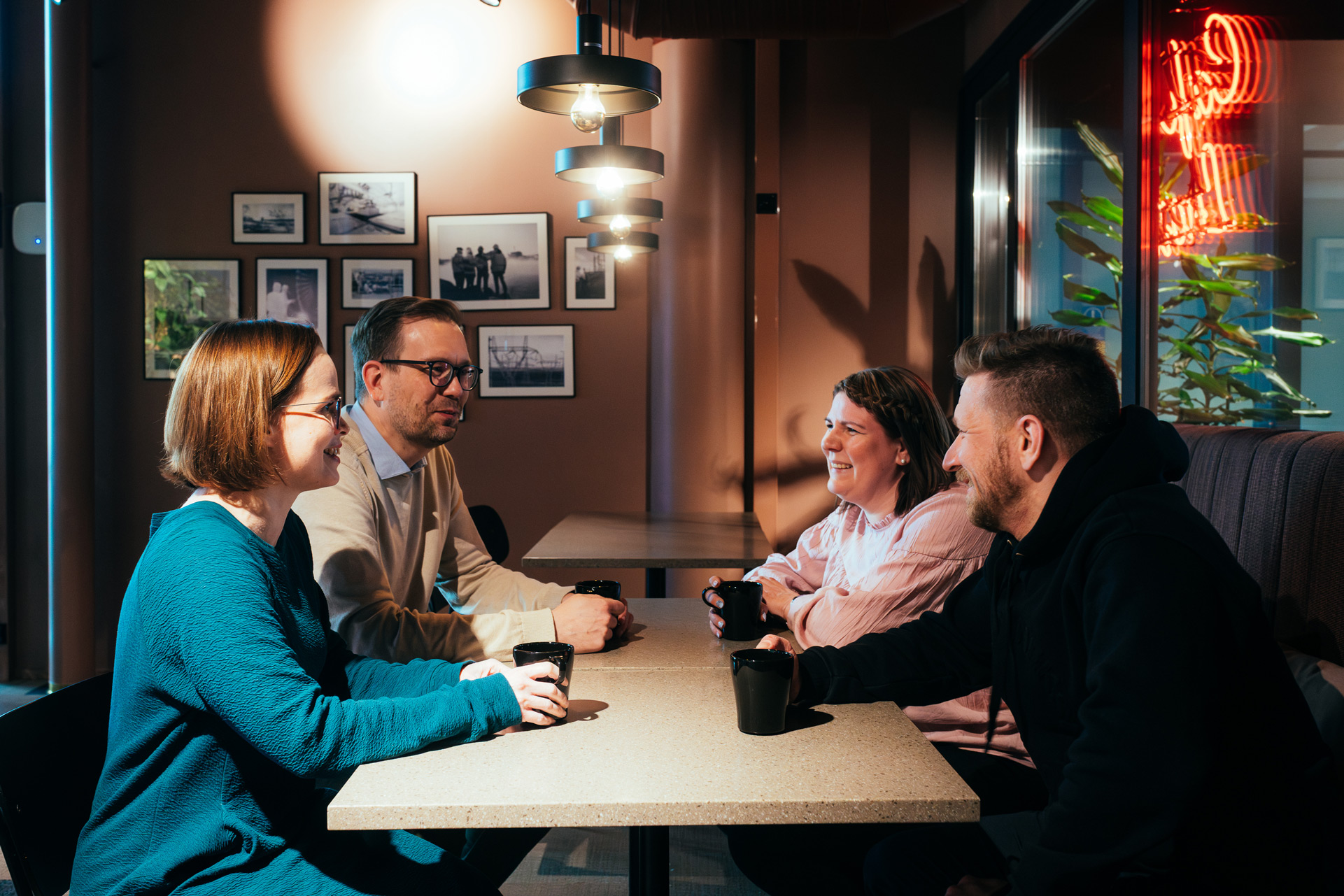
Safety does not happen by accident
Nuclear safety is not a state that is achieved once and then left behind. It is ongoing work in which safety is built and ensured every day.
Safety is supported by multiple, complementary layers of defence – technical, organisational and human – designed to prevent the escalation of errors. No single barrier is sufficient. Safety is created through layered protection, critical evaluation and continuous development.
Alongside structures, safety culture plays a crucial role. It is visible in everyday actions – in whether people have the courage to stop, ask questions and raise concerns. Safety culture is not based on instructions alone, but on attitude. Safety is prioritised even when no one is watching.
Independent oversight brings assurance
Independent oversight is one of the cornerstones of nuclear safety. Its role is to objectively review operations and ensure that safety requirements are met in all situations. Independence enables a critical perspective and supports transparency.
- With the upcoming reform of the Nuclear Energy Act, we Olkiluoto employees will take on more responsibility. As the license holder, we will no longer just comply with given requirements – we must justify and demonstrate that our chosen solutions are safe, says Nuclear Safety Manager Otto Inkinen.
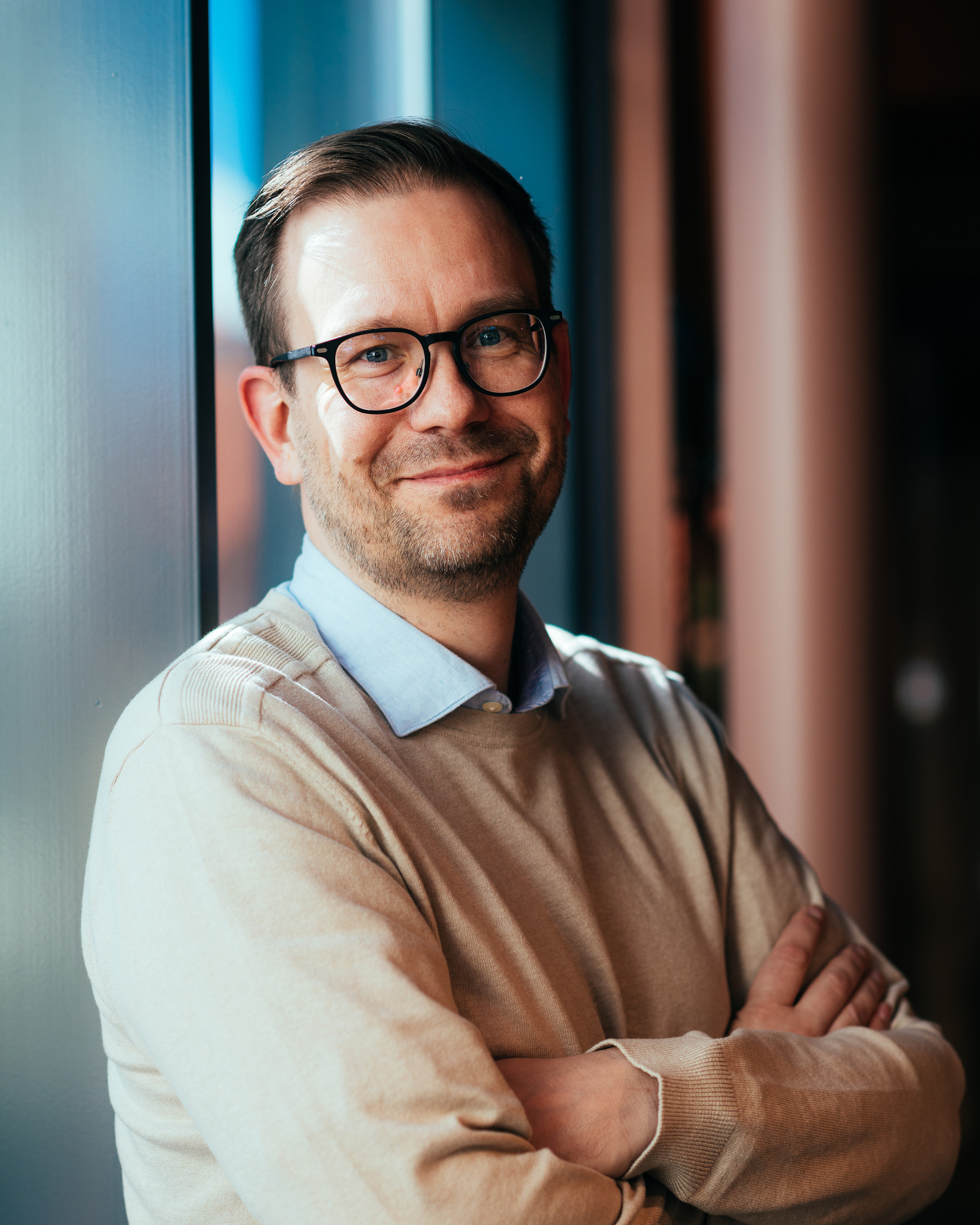
Otto Inkinen
Nuclear Safety Manager
Master of Science (Energy Technology),
working at Olkiluoto since 2005
Safety culture is reflected in everyday choices
Safety culture is built on people, their attitudes, actions, and interactions within an organization. It is reflected in how deviations are handled, how feedback is given, and how different perspectives are heard. A strong safety culture encourages people to speak up and learn. It is rooted in professional pride.
Safety culture requires continuous effort—consistent and exemplary behavior. Even the smallest actions can have safety implications. That is why following procedures and raising even minor observations are essential. Everyone is responsible for their own work.
- Organizational practices must enable individuals to do the right thing. Everyone needs to understand what they are doing – and also recognize what they don’t know, says Kaisa-Maria Tuuha, an expert in human and organisational activities.
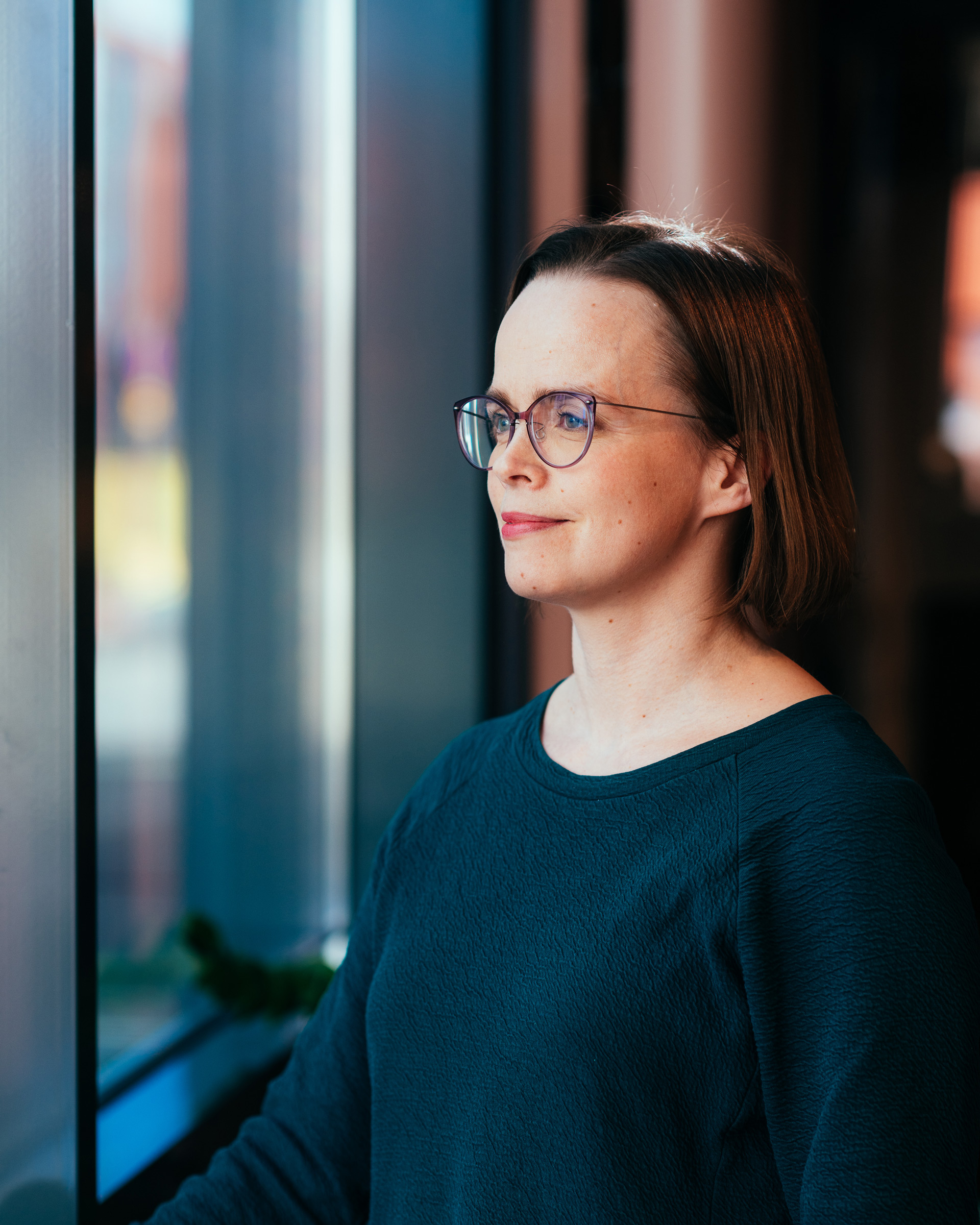
Kaisa-Maria Tuuha
Adviser, MA (Psychology),
specialised in work and organisational psychology,
Doctor of Theology
At TVO since 2025
An outside perspective strengthens safety
Nuclear safety is not examined only within the organisation. External assessments and international peer reviews provide a broader perspective on our operations. STUK’s regulatory oversight and cooperation with WANO give us the opportunity to learn from the experiences of others.
WANO enables us to benchmark the performance of the Olkiluoto plant units against other operators. This is an important part of our shared learning process.
- Our goal is to have a continuous understanding of our performance level. A peer review carried out by WANO or another external body provides confirmation of this. Achieving this requires systematic monitoring and continuous improvement, says Risk Management Specialist Reija Helenius.
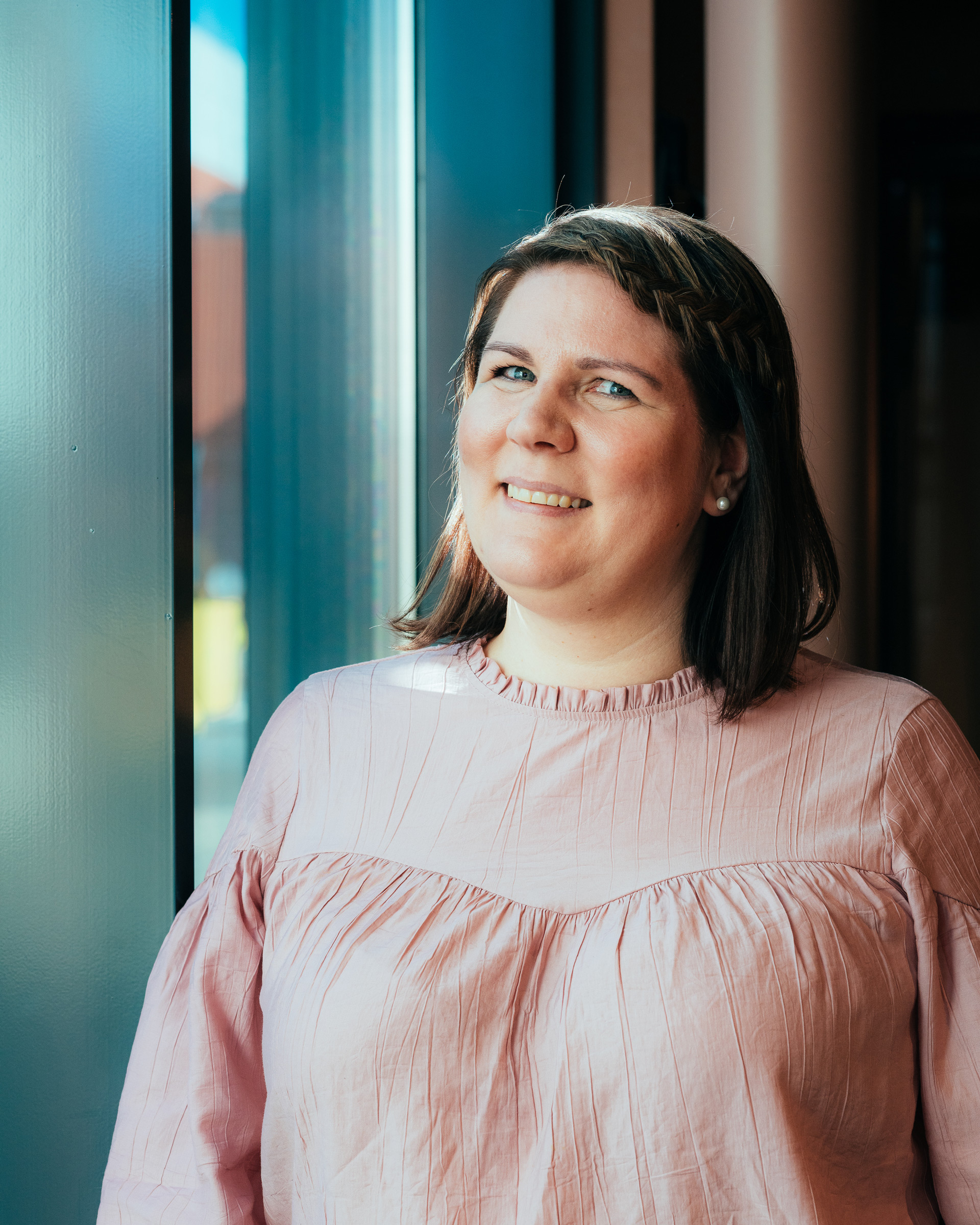
Reija Helenius
Risk Management Specialist
M.Sc. (Tech.) in Industrial Engineering and Management
At TVO since 2017.
Maintaining a clear overall view of safety
When it comes to safety, doing well today is not enough. We need to actively maintain a high level of safety by challenging complacency and improving where needed. Long-term planning helps us keep the whole under control and ensures the right level of safety also in the future.
Coordinating safety as a whole brings together different functions and responsibilities. The aim is to ensure that safety-related information flows effectively and that the overall picture remains under control, even in changing situations.
- It is important that we regularly remind ourselves of our core mission. By carrying out our everyday tasks carefully, we also contribute positively to nuclear safety, says Development Manager Ari Kuuslaakso.
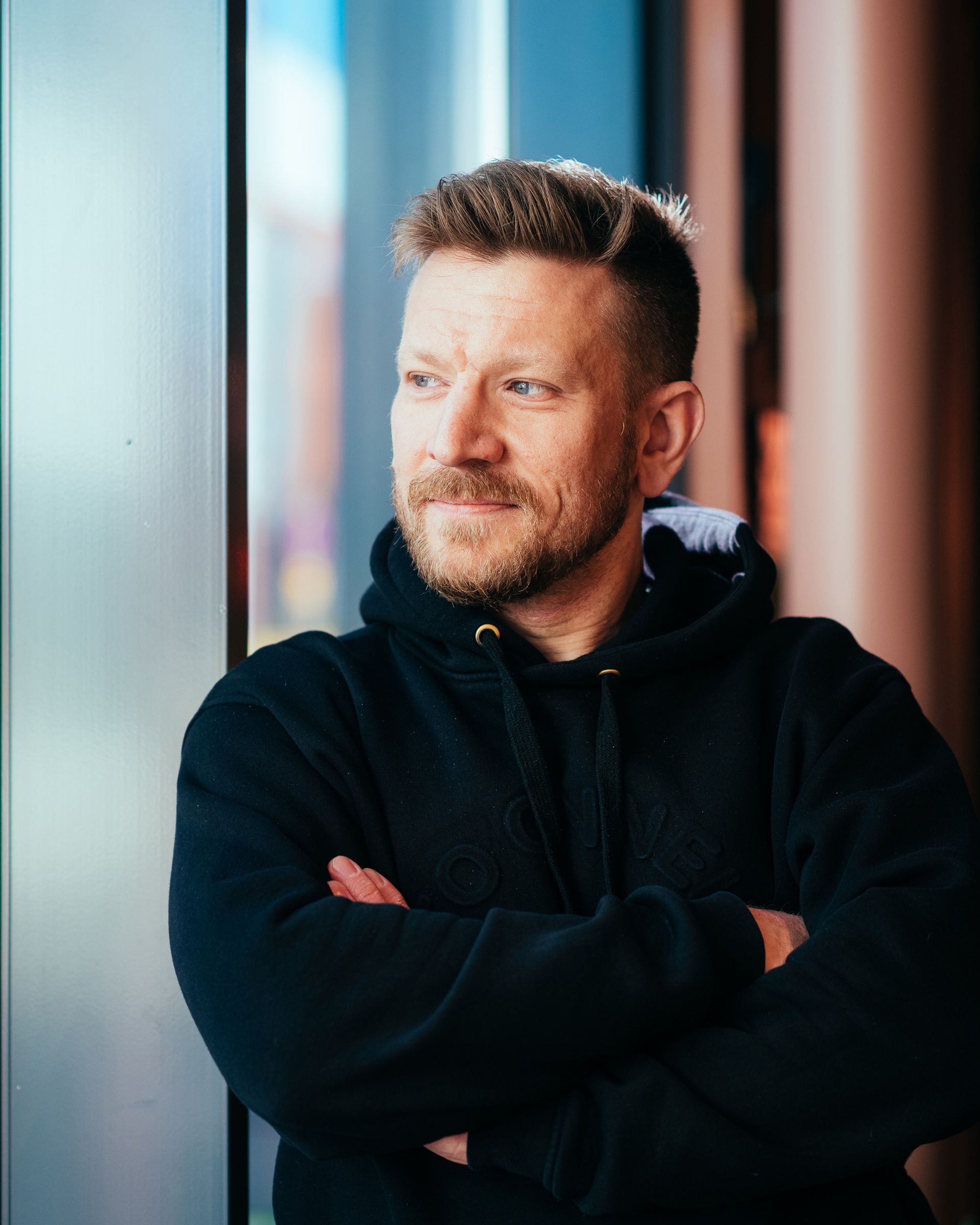
Ari Kuuslaakso
Development Manager, Senior Advisor Inspections, Safety and Security
M.Sc. (Tech.) in Materials Engineering.At Olkiluoto since 2012.
Shared responsibility, shared mindset
Independent oversight, well-functioning structures and external reviews create a strong foundation. However, what truly matters is how safety is approached in everyday work. Safety is a shared responsibility that requires openness, accountability and a willingness to improve – every day.
Read more: Safe operation
Text and photos: Tapani Karjanlahti